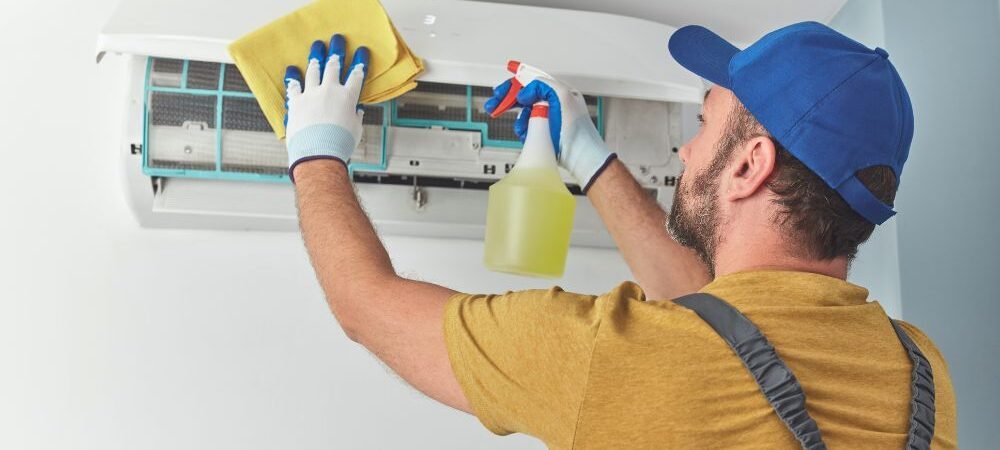
Regular AC maintenance and timely repair are essential for reliable performance, energy efficiency, and indoor comfort. Homeowners who understand what to inspect and prepare for repairs can prevent major issues and reduce repair costs. This guide provides a comprehensive AC repair checklist for homeowners.
1. Inspect Air Filters
Air filters remove dust, debris, and allergens from indoor air. Check the following:
- Clean or replace filters every 1–3 months.
- Ensure the filter size matches the unit’s specifications.
- Inspect for excessive dirt, which reduces airflow by up to 25%.
Clean filters improve cooling efficiency and reduce strain on the system.
2. Check Thermostat Settings
Thermostat issues can affect AC performance. Inspect:
- Mode setting is on cool.
- Temperature setting matches comfort needs.
- Batteries are functional if the thermostat is battery-operated.
Accurate settings prevent unnecessary cycling and energy waste.
3. Examine Electrical Components
Electrical faults can halt AC operation or cause hazards. Check:
- Circuit breakers for tripped switches.
- Visible wiring for wear or damage.
- Capacitors, relays, and fuses for signs of failure.
Addressing electrical issues early prevents component damage.
4. Inspect Condenser and Evaporator Coils
Coils are critical for heat exchange. Check for:
- Dust or debris buildup on coils.
- Bent fins restricting airflow.
- Ice formation on evaporator coils.
Cleaning coils improves cooling efficiency and prevents compressor strain.
5. Check Refrigerant Lines
Refrigerant lines carry the cooling agent. Inspect:
- Visible leaks or frost buildup.
- Proper insulation on exposed pipes.
- Temperature consistency along the lines.
Refrigerant issues require certified technicians to repair safely.
6. Inspect Airflow
Proper airflow ensures even cooling. Check:
- Vents are open and unobstructed.
- Airflow strength from each vent is consistent.
- No unusual drafts or noises from ductwork.
Restricted airflow increases energy consumption and can freeze coils.
7. Check Condensate Drain
Clogged drains can cause water leaks and mold growth. Inspect:
- Drain lines for blockages.
- Water pooling around indoor units.
- Proper slope for drainage to avoid backups.
Regular cleaning prevents water damage and system inefficiency.
8. Document Unusual Noises or Odors
Monitoring the system helps identify issues early:
- Listen for buzzing, grinding, or rattling.
- Note any burning or musty odors.
- Report observations to the technician.
Early detection allows timely repair and prevents major failures.
FAQ
Q1: How often should I use this checklist?
Check filters monthly and perform a full inspection before summer and winter seasons.
Q2: Can I inspect refrigerant lines myself?
Visual inspection is safe, but any leaks or adjustments should be handled by certified technicians.
Q3: Why is airflow inspection important?
Proper airflow prevents frozen coils, ensures even cooling, and reduces energy use.
Q4: How do I know if the AC needs professional repair?
Call a professional if the system has persistent noises, leaks, reduced cooling, or electrical issues.
Q5: Does cleaning coils improve AC efficiency?
Yes. Clean coils allow proper heat exchange, reducing compressor strain and energy consumption.
Conclusion
Using an AC repair checklist helps homeowners identify issues early, maintain system efficiency, and extend the lifespan of their units. Regular inspection of filters, thermostats, electrical components, coils, refrigerant lines, airflow, and condensate drains ensures reliable cooling and reduces repair costs. Documenting unusual noises or odors allows technicians to address problems promptly, improving safety and performance.