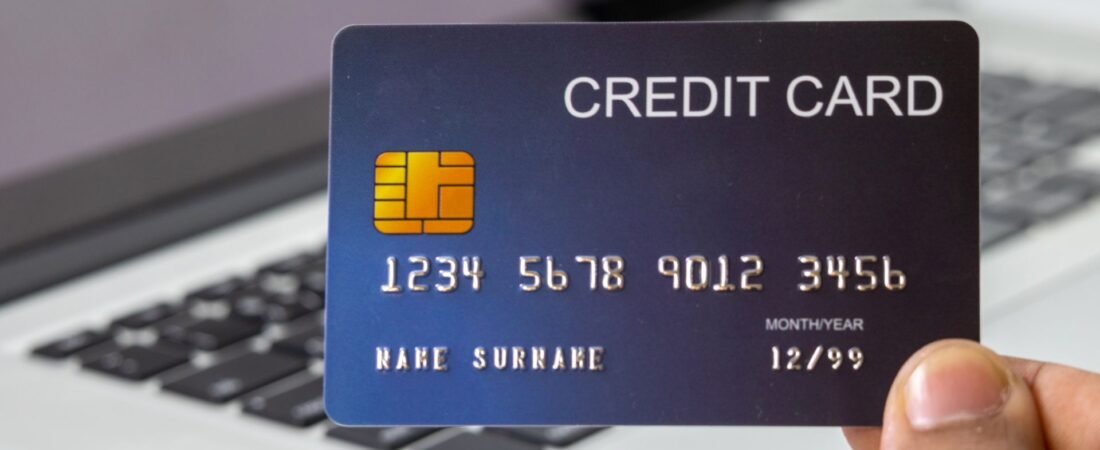
Virtual cards enhance security for Best Buy online orders by generating unique, disposable card numbers for each transaction. This reduces the risk of fraud and protects personal financial information. Linked to existing accounts, these cards allow users to set spending limits and expiration dates, providing greater control during purchases. The one-time use feature further safeguards against unauthorized charges. For those seeking to maximize their experience with virtual cards, additional insights and tips can be explored.
Why Choose Best Buy for Online Shopping
When considering options for online shopping, many consumers find Best Buy a compelling choice due to its extensive range of electronics and appliances.
The retailer offers a user-friendly website and mobile app, allowing customers to easily browse and compare products. Best Buy’s competitive pricing often includes promotions and discounts, enhancing its appeal.
Additionally, the store provides detailed product descriptions, customer reviews, and expert recommendations, facilitating informed purchasing decisions. The availability of same-day delivery and in-store pickup options further enhances convenience.
Best Buy’s commitment to customer service is evident through its knowledgeable support staff, ready to assist with inquiries.
Building Customer Trust Through Better Payment Security Practices
In an era of frequent data breaches and online scams, customers pay close attention to how businesses handle payment security. Companies that visibly invest in secure payment infrastructure send a powerful signal of trustworthiness to their audience. By implementing secure online payment with Vizovcc, businesses can demonstrate their commitment to protecting customer data and financial information. This isn’t just about compliance — it’s about building the kind of brand reputation that encourages repeat business, referrals, and long-term customer loyalty. Security, when communicated well, becomes a powerful competitive advantage.
What Are Virtual Cards and How Do They Work?
Virtual cards are digital representations of traditional debit or credit cards, designed for online transactions.
They provide a secure way to make purchases by generating unique card numbers for each transaction, which helps protect personal information.
Key benefits include enhanced security, convenience, and better control over spending.
Definition Of Virtual Cards
A virtual card serves as a digital alternative to traditional plastic payment cards, designed to enhance security and convenience in online transactions.
Unlike physical cards, virtual cards generate a unique card number for each transaction or merchant, minimizing the risk of fraud. These cards are typically linked to a user’s existing bank account or credit card, allowing for seamless payments without exposing sensitive information.
Users can create and manage virtual cards through banking apps or financial service platforms, often with customizable spending limits and expiration dates. This flexibility enables consumers to control their online purchases more effectively while providing an additional layer of protection against unauthorized use.
Key Benefits Explained
Understanding the functionality of virtual cards reveals several key benefits that enhance online shopping experiences.
Firstly, they provide an added layer of security, as users can generate unique card numbers for each transaction, minimizing the risk of fraud. Additionally, virtual cards often have expiration dates, which limit their usability for unauthorized purchases. This feature further protects personal financial information.
Secondly, users can set spending limits, offering better control over their budgets.
Lastly, virtual cards facilitate quick transactions, as they can be easily integrated with digital wallets, streamlining the checkout process.
Security Benefits of Virtual Cards for Online Shopping
As online shopping continues to grow, the adoption of virtual cards offers significant security benefits. Virtual cards generate unique card numbers for each transaction, reducing the risk of fraud associated with traditional credit cards. This one-time use feature ensures that even if a merchant’s database is compromised, the actual card information remains safe.
Additionally, virtual cards often come with enhanced encryption and monitoring features, providing further protection against unauthorized transactions. They also allow consumers to set spending limits, offering greater control over online purchases.
How Virtual Cards Secure Your Best Buy Purchases
With online shopping platforms like Best Buy gaining popularity, the use of virtual cards becomes increasingly relevant for securing purchases. Virtual cards offer enhanced security by generating unique card numbers for each transaction, minimizing the risk of fraud. This feature is particularly beneficial for consumers who frequently shop online.
Key ways virtual cards secure purchases at Best Buy include:
- One-Time Use: Each virtual card can be used only once, preventing unauthorized repeated charges.
- Limited Exposure: Actual credit card information remains hidden, reducing the chances of data breaches.
- Controlled Spending: Users can set specific spending limits on virtual cards, allowing for better budget management.
Together, these features make virtual cards a valuable tool for safer online shopping experiences.
How to Easily Set Up a Virtual Card for Best Buy
Setting up a virtual card for Best Buy can enhance online shopping security.
This process involves choosing a suitable virtual card, following a step-by-step setup guide, and implementing best practices for secure transactions.
Understanding these elements is crucial for a seamless and safe purchasing experience.
Choosing Your Virtual Card
How can shoppers enhance their online purchasing experience at Best Buy? One effective method is by choosing a virtual card tailored for secure transactions.
Virtual cards provide an added layer of protection against fraud and unauthorized purchases. When selecting a virtual card, consider the following:
- Security Features: Look for cards that offer robust encryption and fraud detection systems to safeguard personal information.
- Spending Limits: Opt for cards that allow users to set specific spending limits, helping to manage budgets effectively.
- Expiration Options: Choose a virtual card with customizable expiration dates, enabling greater control over the duration of its use.
Step-by-Step Setup Guide
A straightforward setup process enables shoppers to quickly create a virtual card for their Best Buy online purchases.
First, users must select a virtual card provider, often available through banking apps or financial institutions. Once a provider is chosen, shoppers can register and create an account if needed.
Next, they should navigate to the virtual card section and generate a new card, which typically includes setting spending limits and expiration dates.
After receiving the virtual card number, the shopper can proceed to Best Buy’s website. During checkout, they should enter the virtual card details instead of their physical card information.
Completing these steps ensures a secure transaction while shopping online at Best Buy.
Tips for Secure Transactions
Utilizing a virtual card for online purchases at Best Buy enhances security and protects personal financial information. Setting up a virtual card is straightforward, and following these tips can further ensure secure transactions:
- Use a Trusted Provider: Select a reputable bank or financial service that offers virtual cards, ensuring robust security features.
- Limit Card Use: Assign a specific virtual card for Best Buy purchases only. This confines exposure in case of a data breach.
- Monitor Transactions: Regularly check your bank statements and transaction history.
Promptly report any suspicious activity to your financial institution.
Virtual Cards vs. Traditional Payments: What’s the Difference?
When considering payment methods for online orders, one might wonder what sets virtual cards apart from traditional payment options. Virtual cards are temporary, digital representations of credit or debit cards, designed specifically for online transactions. They provide an added layer of security by generating unique card numbers for each purchase, which can help prevent fraud.
In contrast, traditional payment methods often involve sharing the actual card number, increasing vulnerability to data breaches. Additionally, virtual cards typically have expiration dates and spending limits, offering users more control over their finances.
While traditional payments might be more familiar to many consumers, virtual cards are becoming increasingly popular for their enhanced security features and convenience in the digital shopping landscape.
Debunking Myths About Virtual Cards
Despite common misconceptions, virtual cards offer a range of security features that can enhance online purchasing safety.
Many users also find them straightforward to use, often with the same ease as traditional payment methods.
Additionally, virtual cards typically provide broad purchasing options, countering the belief that they are limited.
Virtual Cards Are Insecure
Many consumers mistakenly believe that virtual cards are inherently insecure, primarily due to misconceptions surrounding their functionality. In reality, virtual cards offer enhanced security features compared to traditional cards.
- One-Time Use: Many virtual cards are designed for single transactions, minimizing the risk of fraud.
- Limited Exposure: When used online, they can protect the actual credit card number from being shared or stolen.
- Controlled Spending: Users can set spending limits, reducing financial risk in case of unauthorized charges.
These features collectively contribute to a secure online shopping experience.
Hard To Use
Virtual cards are often perceived as difficult to use, leading to hesitation among consumers. This misconception arises from unfamiliarity with technology rather than inherent complexity.
In reality, virtual cards function similarly to traditional cards, providing a unique number for online transactions. Users can generate these numbers through banking apps or financial services, allowing for seamless integration into e-commerce platforms. The process typically involves entering the card details at checkout, just like a physical card.
Additionally, many services offer user-friendly interfaces that simplify card management. Overall, the notion that virtual cards are hard to use is unfounded; with a little practice, consumers can navigate online purchases confidently and securely, enhancing their shopping experience.
Limited Purchase Options
Claims of limited purchase options with virtual cards often stem from misunderstandings about their functionality.
In reality, virtual cards offer a variety of advantages that can enhance online shopping experiences, including:
- Broad Acceptance: Most virtual cards are compatible with major retailers, including Best Buy, allowing users to shop freely.
- Enhanced Security: They provide an additional layer of protection by using a unique number for each transaction, reducing the risk of fraud.
- Controlled Spending: Users can set limits on virtual cards, which helps manage budgets effectively and prevents overspending.
Thus, the notion that virtual cards restrict purchasing capabilities is largely unfounded; instead, they can facilitate safer and more controlled online transactions.
How to Use Virtual Cards for Best Buy Online Purchases
Using virtual cards for online purchases at Best Buy offers a secure and convenient payment option for shoppers.
To utilize a virtual card, customers first need to generate one through their bank or a financial service. This process typically involves logging into the service’s app or website and selecting the option to create a virtual card.
Once generated, the user receives a unique card number, expiration date, and CVV code. During the checkout process on Best Buy’s website, customers simply enter these virtual card details in place of their regular credit card information.
This method enhances security by safeguarding the shopper’s actual card details, reducing the risk of fraud and unauthorized transactions.
Tips for Maximizing Your Virtual Card Experience
Shoppers can enhance their experience with virtual cards by following several practical tips. These strategies can help ensure secure and efficient transactions.
- Use Unique Cards for Different Retailers: Create separate virtual cards for various online stores. This limits exposure if one card is compromised.
- Set Spending Limits: Many virtual card providers allow users to set spending caps. This feature can prevent unauthorized charges and help with budgeting.
- Monitor Transactions Regularly: Keep a close eye on transaction history for any discrepancies.
Regular monitoring can quickly identify potential issues, ensuring timely action.
What to Do If Your Card Is Compromised?
Experiencing a compromised virtual card can be alarming, but prompt action is essential to mitigate potential damage. The first step is to contact the issuing bank or card provider immediately to report the issue and request a card replacement.
Monitoring account statements for unauthorized transactions is also crucial; any discrepancies should be reported to the bank. Additionally, updating any saved payment information on online accounts can help prevent further issues.
It is advisable to activate transaction alerts for real-time monitoring. Lastly, reviewing security measures, such as strong passwords and two-factor authentication, can enhance protection against future breaches.
Taking these steps can help ensure financial security and reduce the risk of further complications arising from the compromise.
Future of Virtual Cards in Online Shopping Security
As the digital landscape continues to evolve, the role of virtual cards in online shopping security is becoming increasingly prominent. These cards offer enhanced protection against fraud and data breaches, adapting to the growing concerns of consumers.
The future of virtual cards may encompass several key developments:
- Increased Adoption: More retailers and financial institutions are likely to adopt virtual card solutions, making them a standard payment option.
- Advanced Features: Innovations such as temporary card numbers and customizable spending limits will enhance user control and security.
- Integration with Fintech: Collaboration with fintech companies may lead to seamless integration with budgeting tools, further promoting responsible spending.
These trends suggest that virtual cards will play a crucial role in shaping a safer online shopping environment.
Frequently Asked Questions
Can I Use a Virtual Card for In-Store Purchases at Best Buy?
A virtual card typically cannot be used for in-store purchases at Best Buy, as most retailers require a physical card for transactions. Customers should check specific policies or consider using alternative payment methods.
Are Virtual Cards Accepted for Best Buy Gift Card Purchases?
Approximately 60% of consumers prefer using virtual cards for online transactions. Virtual cards are accepted for Best Buy gift card purchases, providing added security while facilitating convenient transactions for customers seeking electronic gift options.
What Should I Do if My Virtual Card Expires?
If a virtual card expires, the user should check with their card issuer for renewal options. Alternatively, they can create a new virtual card and update payment information for ongoing transactions and subscriptions.
Can Virtual Cards Be Used for Subscription Services Through Best Buy?
Virtual cards can be used for subscription services through Best Buy, provided the service accepts them. Users should ensure that the virtual card’s details are entered correctly to avoid payment issues during subscription renewals.
Are There Any Fees Associated With Using Virtual Cards?
There are typically no fees associated with using virtual cards for transactions. However, users should verify with their card issuer, as specific terms and conditions may apply depending on the financial institution or service provider.
Conclusion
In conclusion, utilizing virtual cards for online purchases at Best Buy enhances security and protects against fraud. As digital shopping continues to grow, consumers must consider innovative methods to safeguard their transactions. Could embracing virtual cards be the key to a more secure online shopping experience? By understanding their benefits and implementation, shoppers can confidently navigate the digital marketplace, ensuring their purchases remain safe and secure.